
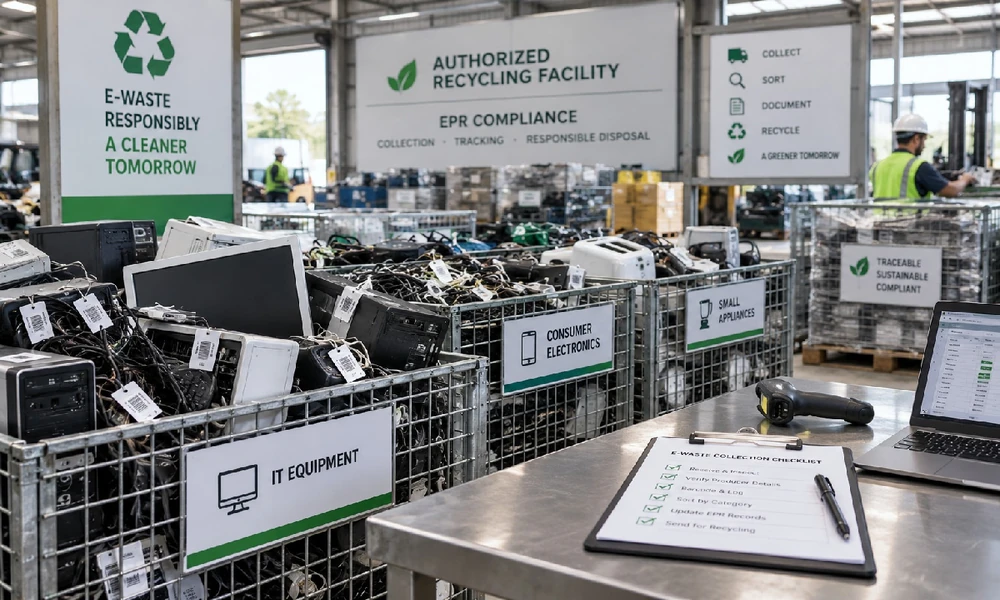
Recycling electronics is often pictured as a single step where old equipment goes in and raw material comes out. In reality, it asset recycling companies run a series of stages, each with its own risks and rules: collecting and tracking devices, removing data, deciding what can be reused, separating hazardous parts and sending materials to specialist processors. How well each stage is handled determines whether your old equipment ends up back in productive use or contributes to the pollution that electronic waste rules are meant to prevent.
What Makes Electronic Waste Different
Electronic equipment combines valuable and hazardous materials in the same small space. A typical laptop or server contains copper, aluminium, gold and rare earth elements alongside lead in solder, mercury in older displays, lithium batteries and brominated flame retardants in plastics. Dumped in landfill or burned informally, these substances can leach into soil and water or release toxic fumes. Processed carefully, the same devices become a source of recovered metals that reduces the need for new mining. The difference between those outcomes depends almost entirely on who handles the equipment after it leaves your building.
Collection and Tracking
Responsible handling starts with knowing exactly what has been collected. Each device is logged, usually by serial number, and the count is checked against the client’s list before transport. Equipment travels in secure, sealed containers so that nothing is lost or diverted. This tracking matters for environmental reasons as well as security, because it shows that every item reached a licensed facility rather than disappearing into informal channels where hazardous parts are stripped by hand.
Data Removal Before Anything Else
Before any device is resold or dismantled, the data on it must be removed. Drives are sanitised using verified software methods, cryptographic erase or physical destruction, depending on media type. Results are recorded per serial number. This step protects the original owner and also makes reuse possible, since a sanitised device can be sold on safely while one with recoverable data cannot. Reputable recyclers will not skip this step even for equipment headed straight to shredding.
Reuse Comes First
The most environmentally sound outcome for working equipment is a second life. Recyclers that follow a reuse-first approach test and grade devices, then refurbish those with remaining value. The main reuse routes are:
- Resale of complete devices after wiping and testing
- Harvesting working parts such as memory, drives and power supplies
- Donation programmes for schools and charities, where clients agree
Every reused device avoids the energy and materials needed to manufacture a replacement.
Dismantling and Separation
Equipment that cannot be reused is dismantled. Batteries, toner, capacitors and mercury-containing parts are removed by hand first, because they are hazardous or can cause fires in shredding equipment. The remaining material is separated into streams: metals, circuit boards, plastics and glass. Good separation increases the value of recovered material and reduces the volume of residual waste. It also means each stream can be sent to a processor equipped to handle it safely, rather than mixed loads that nobody can treat properly.
Downstream Processing
Few recyclers refine metals or treat hazardous fractions themselves, and well-run it asset recycling companies are open about this rather than implying everything happens under one roof. Circuit boards typically go to specialist smelters that recover gold, silver and copper, while batteries go to dedicated battery recyclers. Plastics are sorted by type where possible. Responsible providers choose licensed downstream partners and track material through them, so they can account for where each stream ends up. Standards such as R2 and e-Stewards include requirements for this downstream accountability.
The Regulatory Picture in Singapore
Singapore regulates e-waste through the Resource Sustainability Act, which introduced an extended producer responsibility scheme. Producers of regulated electrical and electronic equipment carry responsibility for collection, and NEA licenses the operators that collect and treat e-waste. For businesses, this means checking that any recycler handling your equipment is properly licensed and can show where materials go. Practical evidence to request includes:
- Proof of the relevant NEA licence
- Names of downstream processors for batteries and circuit boards
- Weight records by material stream
Reporting Environmental Outcomes
Many organisations now report on waste and sustainability, and recycling partners can supply the numbers. Useful figures include the total weight processed, the proportion reused versus recycled and the share of material recovered rather than landfilled. These figures support environmental reporting and help compare providers on actual outcomes. They also give a clearer picture of whether a refresh programme is becoming more circular over time.
Choosing a Responsible Partner
When comparing electronic waste recycling vendors, ask each to explain their reuse rate, downstream partners and licensing, and to provide a sample environmental report. Check their certifications and confirm they cover the local facility. A partner that is transparent about where every material stream goes is far less likely to cut corners when nobody is watching.
Where Responsibility Ends
Handing equipment to a recycler transfers the work, not all of the accountability. Keep the reports, ask follow-up questions when figures look unusual and revisit the arrangement each year. Responsible recycling is a relationship that needs checking, not a single transaction.
